








Home > What is Saccharomyces cerevisiae?
CATEGORY
What is Saccharomyces cerevisiae?
- Reading time: 3min
You may not know it, but you probably have used it already many times.
We will give you a hint.It is most commonly used for baking and brewing, but it can also be used for many other things.
Still not sure?It is yeast!
Or at least what most people refer to as “yeast.”
Saccharomyces cerevisiae: AKA “brewer’s yeast” or “baker’s yeast”
The scientific name “Saccharomyces” is derived from the Greek word meaning “sugar fungus” while “cerevisiae” comes from Ceres the Roman Goddess of the growth of food plants and crops.
Saccharomyces cerevisiae (S. cerevisiae) is a species of yeast or single-celled fungus microorganism known since early times for its fermentation properties and used in baking, brewing, and winemaking. Today, it is also used as a unique probiotic to support gut health as well as being used for a variety of other applications.
Despite its long history, S. cerevisiae‘s name is relatively unknown even though it is one of the most common types of yeast used. In fact, without even knowing it, when most people speak of “yeast,” it is Saccharomyces cerevisiae that they are often speaking of. Today, however, most people are more familiar with it by the names “brewer’s yeast”, “baker’s yeast”, “budding yeast”, or as the main component of most nutritional yeasts and yeast extracts.
Whether one is aware of it or not S. cerevisiae is everywhere and widely used and consumed across the globe.(1)
Saccharomyces cerevisiae is ALIVE
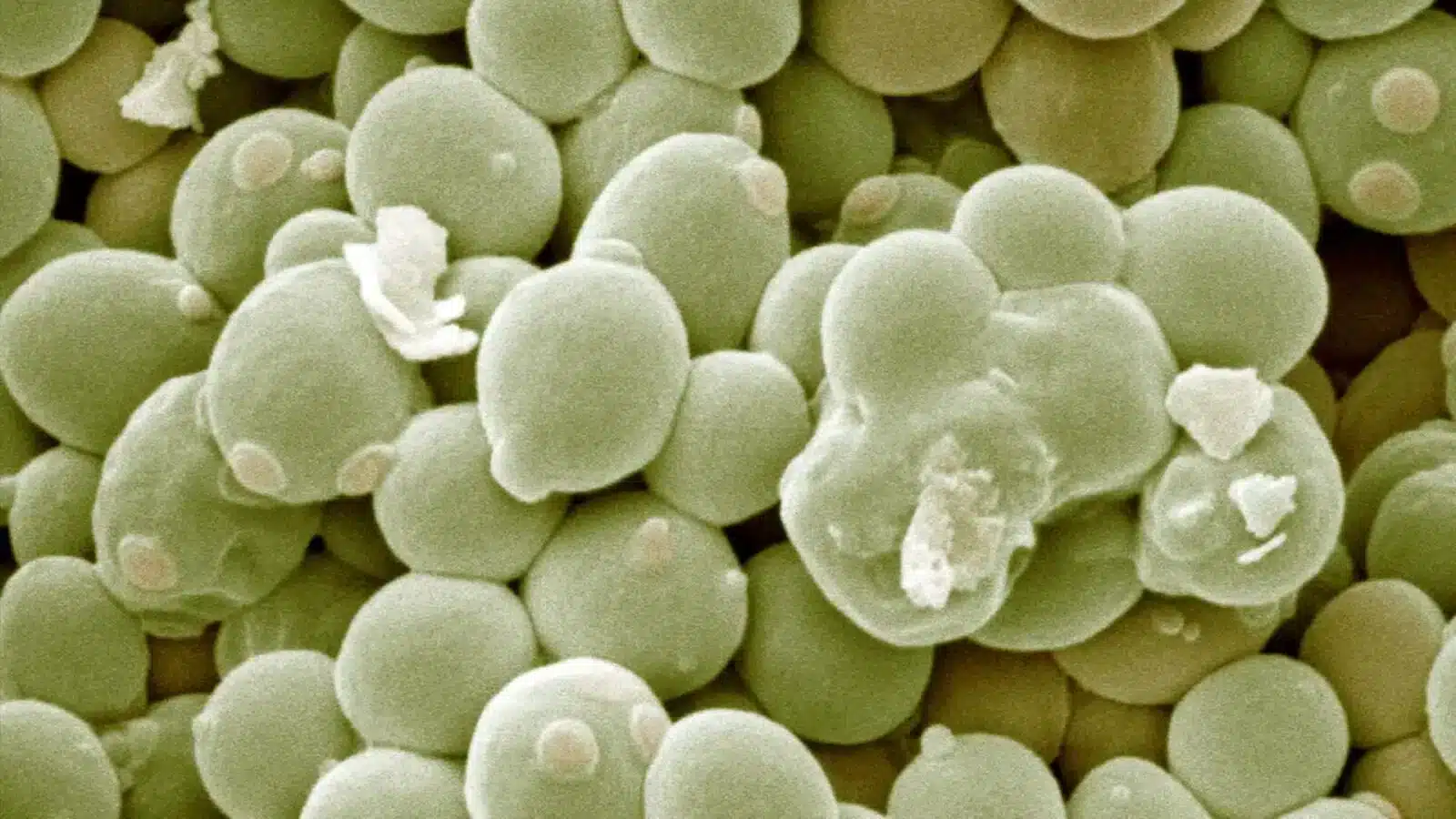
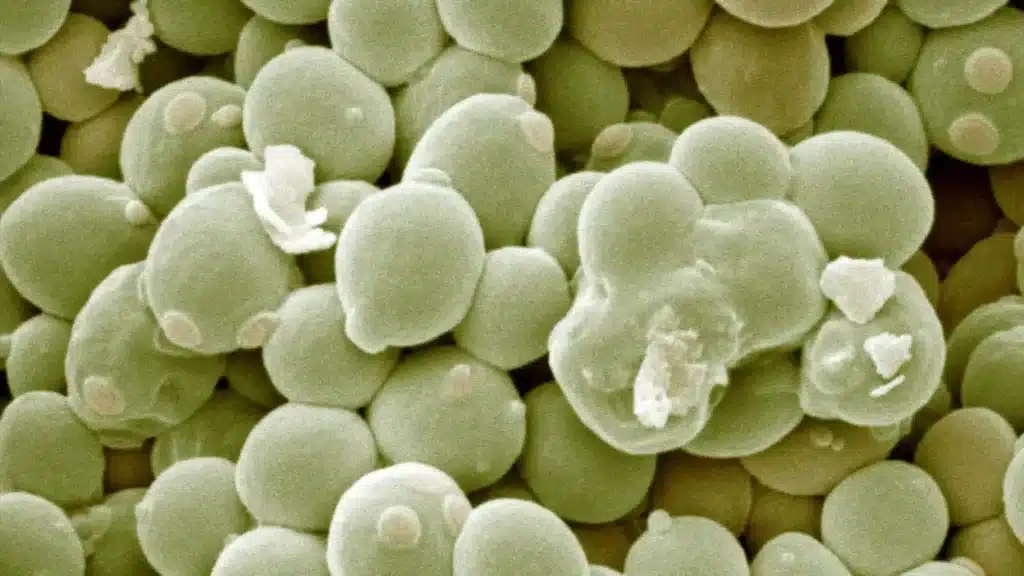
Saccharomyces cerevisiae is a unicellular fungus that reproduces by budding from a pre-existing cell, and which presents the main components of a typical eukaryotic cell. Its cell wall is a dynamic structure relatively rigid that provides cell protection, and osmotic support and determines cell shape. S. cerevisiae cells are round to ovoid and are approximately 5–10 micrometers in diameter.(2)
All strains of S. cerevisiae can grow aerobically on glucose, maltose, and trehalose. However, they fail to grow on lactose and cellobiose. S. cerevisiae growth on other sugars varies. Galactose and fructose are shown to be two of the best fermenting sugars. The ability of S. cerevisiae to use different sugars can differ depending on whether it is grown aerobically or anaerobically. Some strains cannot grow anaerobically on sucrose and trehalose.(3
In nature, S. cerevisiae is most commonly found on the skin of ripe fruits, such as grapes. S. cerevisiae can also be found in the bark of some tree species, as well as on some insects.
Saccharomyces cerevisiae’s use in baking
If you have done any baking odds are the yeast that you used was Saccharomyces cerevisiae.
During fermentation in bread-making, Saccharomyces cerevisiae as yeast produces carbon dioxide and modifies the physical properties of dough through the action of enzymes.
First, the yeast ferments sugars which it directly assimilates and is naturally present in the flour. The second phase corresponds to the fermentation of sugar found in flour called maltose. Glucose is transformed by Saccharomyces cerevisiae into carbon dioxide (which gives volume to bread and the honeycomb shape of the crumb) and alcohol (evaporated when baked). Saccharomyces cerevisiae yeast also produces aromatic compounds that contribute to the aroma and taste of bread. Lastly, during baking, fermentation is activated by heat and ends when the temperature reaches 50°C.
Nutritional yeast = saccharomyces cerevisiae
In recent years, many people have started consuming a specific type of yeast called nutritional yeast or also known as NOOCH. In fact, most nutritional yeasts are made with the yeast strain Saccharomyces cerevisiae. It can be used in dietary supplements, seasonings, and functional foods. Nutritional yeast can also provide appealing nutritional contributions.
So, what exactly makes nutritional yeast made with Saccharomyces cerevisiae so exceptional?
Many things!
It is a valuable source of protein. These proteins contain all the essential amino acids that people should get in a healthy diet. Source of dietary fiber, Saccharomyces cerevisiae yeast also contains several vitamins like thiamine (B1), riboflavin (B2), niacin (B3), Pyridoxine (B6), and folic acid (B9) (4). This makes nutritional yeast a potentially interesting source of vitamins for all, including vegans and vegetarians.
Nutritional Yeast, Your Health Ally
Now that you know what Saccharomyces cerevisiae is, you can tell your friends about all its wonderful uses and benefits the next time you are baking bread together!
Interested by this kind of content? Learn about yeast and its benefits – Explore Yeast
Notes :
- Feldmann, Horst (2010). Yeast. Molecular and Cell bio. Wiley-Blackwell. Pg. 2. ISBN 978-3527326099.
- https://www.researchgate.net/publication/222244579_Brewer’s_Saccharomyces_yeast_biomass_characteristics_and_potential_applications
interesting contents for you

What is Saccharomyces cerevisiae?
Saccharomyces cerevisiae is commonly known as brewer’s yeast and baker’s yeast.
Saccharomyces cerevisiae is a unicellular fungus that reproduces

Bread & Health: 4 myths contradicted by Science
How does eating bread affect our health? To find answers to this question, a team of researchers from the Lesaffre

Introducing Dr Bread: our AI- powered baking assistant for craft bakers
At Baking with Lesaffre, we understand that each baker faces unique challenges. That’s why we’ve developed Dr Bread, an AI-powered

Shaping the Future of Baking at IBA 2025
At Baking with Lesaffre, we’re not just keeping pace with the evolving baking industry – we’re actively shaping its future.