Lesaffre, global key player in baking and fermentation

find baking solutions for...

baking center™ at your service

Product expertise

Analysis & testing

training

customer empowerment

troubleshooting

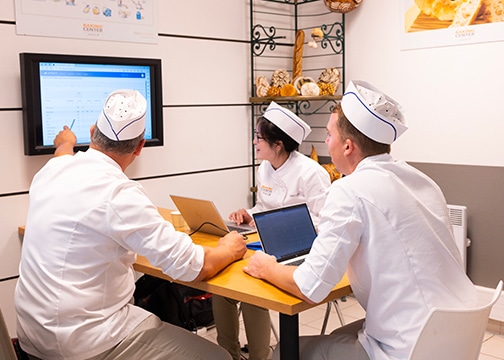
You know your process by heart. But even with all your experience, some days, nothing goes as planned: your dough won’t rise, the crust stays pale… When the result doesn’t match your expectations, we’re here to help you get what’s at stake. With a fresh pair of eyes and practical advice, we come in: to help you spot the problem, understand it, and find a solution that fits the way you work. 

focus on what they feel

By stepping back from your process, you can spot the detail that makes the difference for the customers who taste, buy, and come back for your bread.

Solutions that work for you

You get help to adjust your ingredients and fine-tune your method to solve issues like poor volume, crust color or texture.

Stay one step ahead

With clear advice and everyday tips, you gain tools to prevent future issues and keep your production running smoothly.   

baking at scale: why liquid yeast makes a difference?

Florent PICAVET

Liquid Yeast Installation Specialist

Question – Florent, why should bakers consider switching to liquid yeast?

“If you’re using over 150 kg of fresh yeast per week, liquid yeast is a game changer. It brings consistency, precision, and safety to repetitive, high-volume production. For industrial or semi-industrial bakeries, it can really simplify operations and improve quality.”
Question – What are the main advantages you’ve seen in the field?

“First, food safety. With liquid yeast, the risk of contamination is much lower. The cold chain stays intact all the way from storage to the mixer. Then, you’ve got energy savings: since cold rooms stay closed, you reduce cold loss. And of course, dosing is fully automated, which means fewer handling errors and much more regular results.”
Question – Can liquid yeast work with all types of recipes and setups?

“Absolutely. The system is highly adaptable. It works with any yeast type, even osmotic-tolerant ones, and it’s easy to adjust to production line changes. That flexibility is key, especially in industrial bakeries where processes evolve quickly.”
Question – What does the installation process look like for a bakery?

“It’s a five-step journey. We start with a feasibility check, then we do a test on your production line. Once everything’s validated, we install the system, monitor it with you, and finally provide ongoing training for your team. Each step is customized to your specific environment.”
Question – And after installation, how do you continue supporting the customer?

“We are there at every stage. From maintenance to spare parts, and even for new team onboarding — we make sure you’re never on your own. The goal isn’t just to install a machine. It’s to help you use it well, every day, with full confidence.”
Question – Who can get access to this service? 

“Any industrial or semi-industrial baker using fresh yeast regularly. We’ve been supporting customers worldwide since 2011, and our local Baking Center™ experts are here to help wherever you are. All it takes is a conversation to get started.”

interesting contents for you!

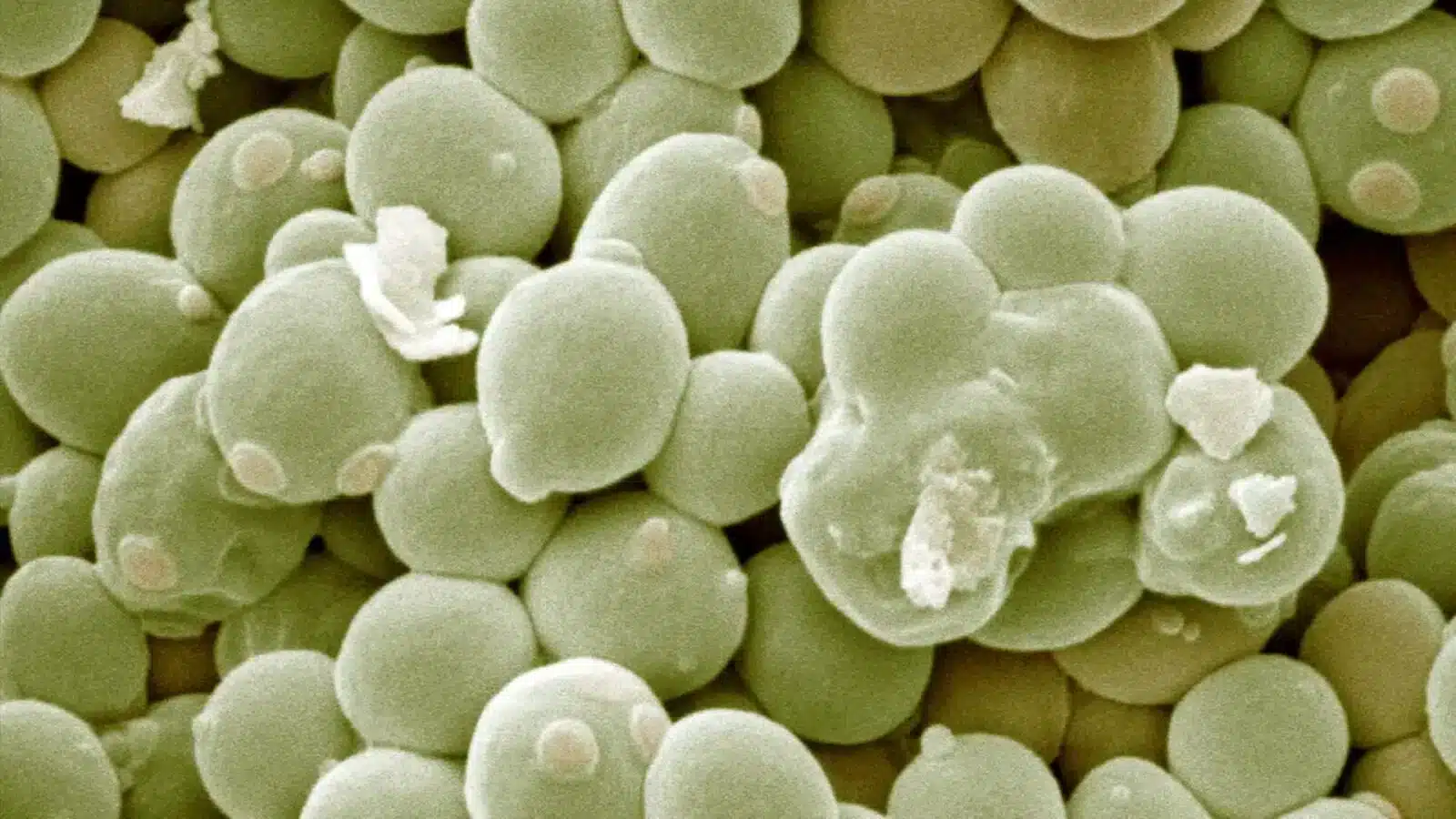
What is Saccharomyces cerevisiae?

Saccharomyces cerevisiae is commonly known as brewer’s yeast and baker’s yeast.
Saccharomyces cerevisiae is a unicellular fungus that reproduces